Helping New Communities Launch Faster with Templates
SaaS / No-Code Platform / UI/UX Design
Designed and shipped 12 modular community templates for Bettermode. Template adopters published their first site about 40% faster than before the library.
Company
Bettermode
All-in-one SaaS platform for building and managing online communities
Team
Moein Saboohi
Senior Product Designer
Jacob Harris
Customer Experience Director
Amir Khalili
Creative Director
Duration
October 2024 – March 2025
5 months
Softwares

Figma
Adobe Photoshop
Overview
I designed 12 community templates for Bettermode, giving community owners a starting structure they could adapt to their content and brand. The work covered information architecture, reusable layouts and visual design, with feedback from CX and the Creative Director.
The shipped library addressed a setup problem: owners often knew why they wanted a community, but struggled to decide what to put on the first page. Launch-time data showed a promising improvement among template adopters, while non-adoption revealed a separate problem with how the templates were presented.

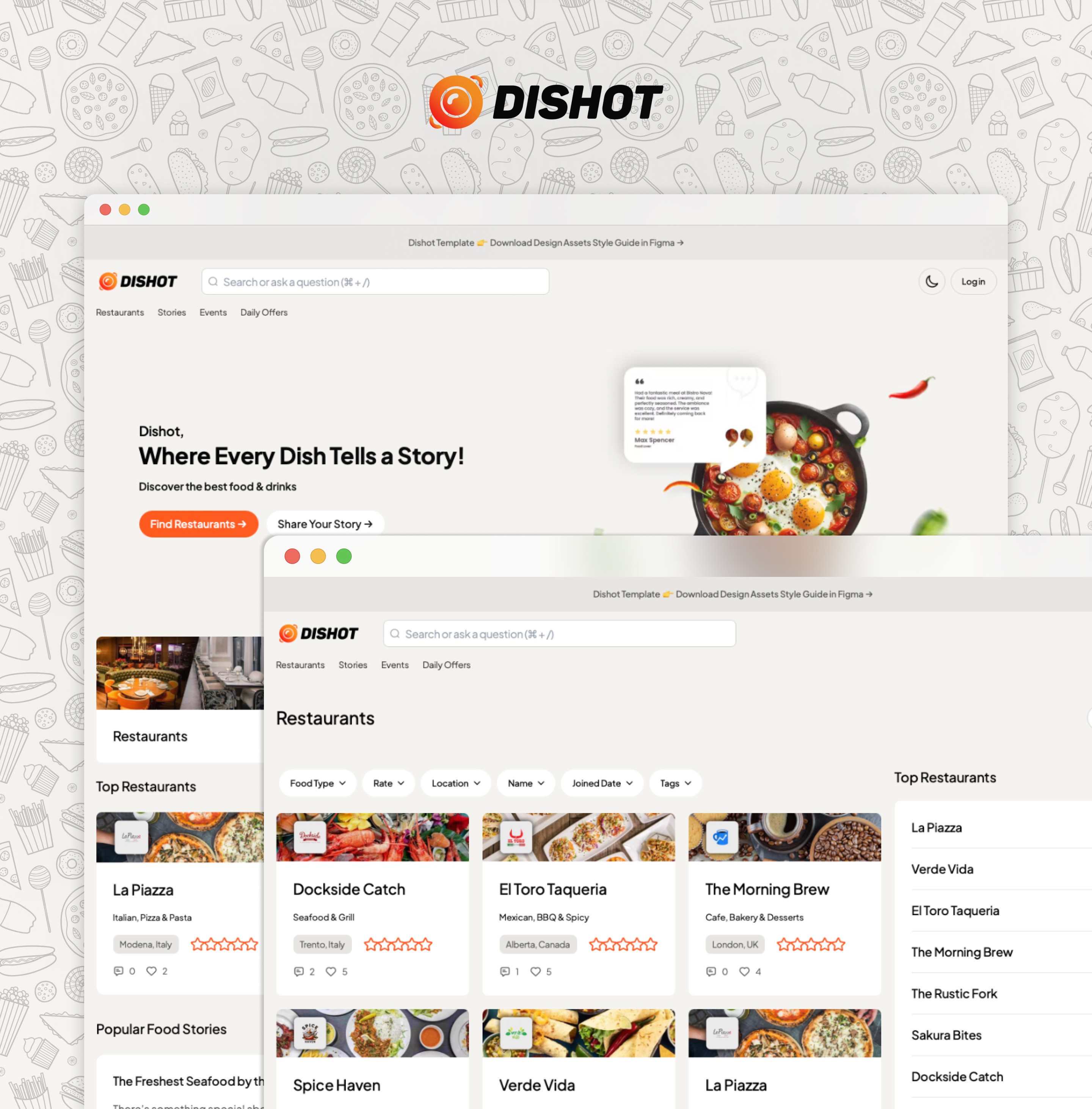
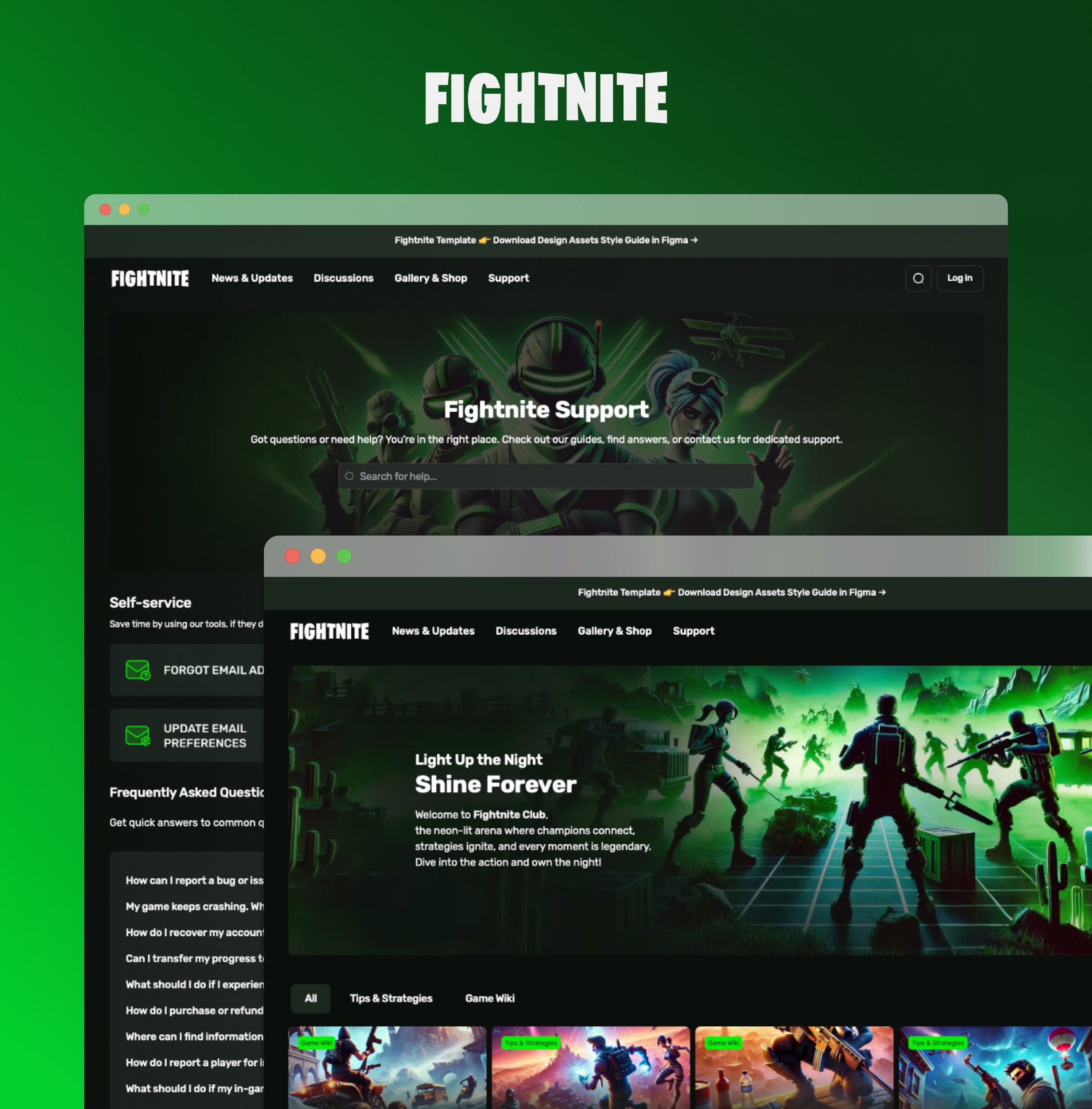
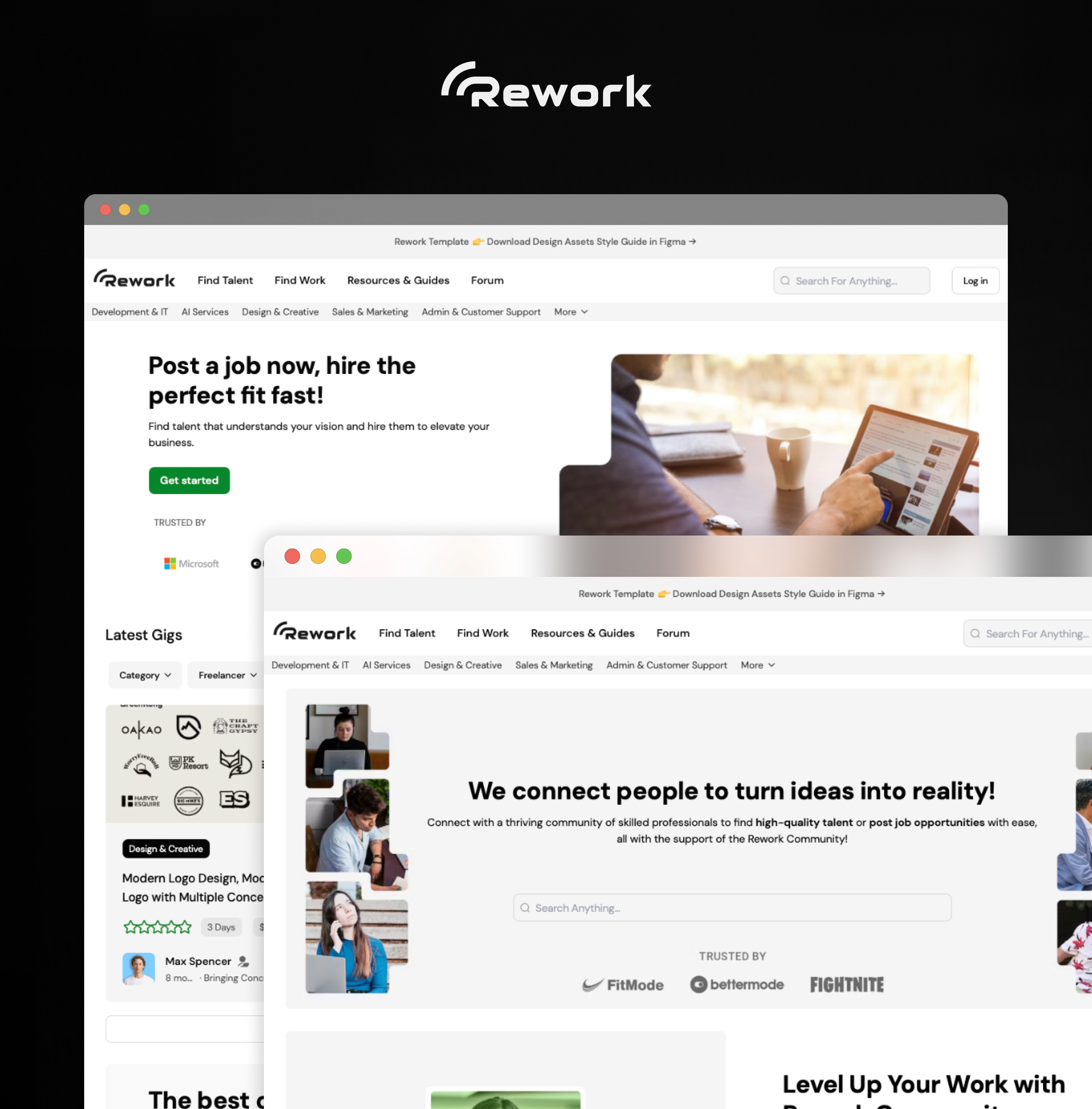
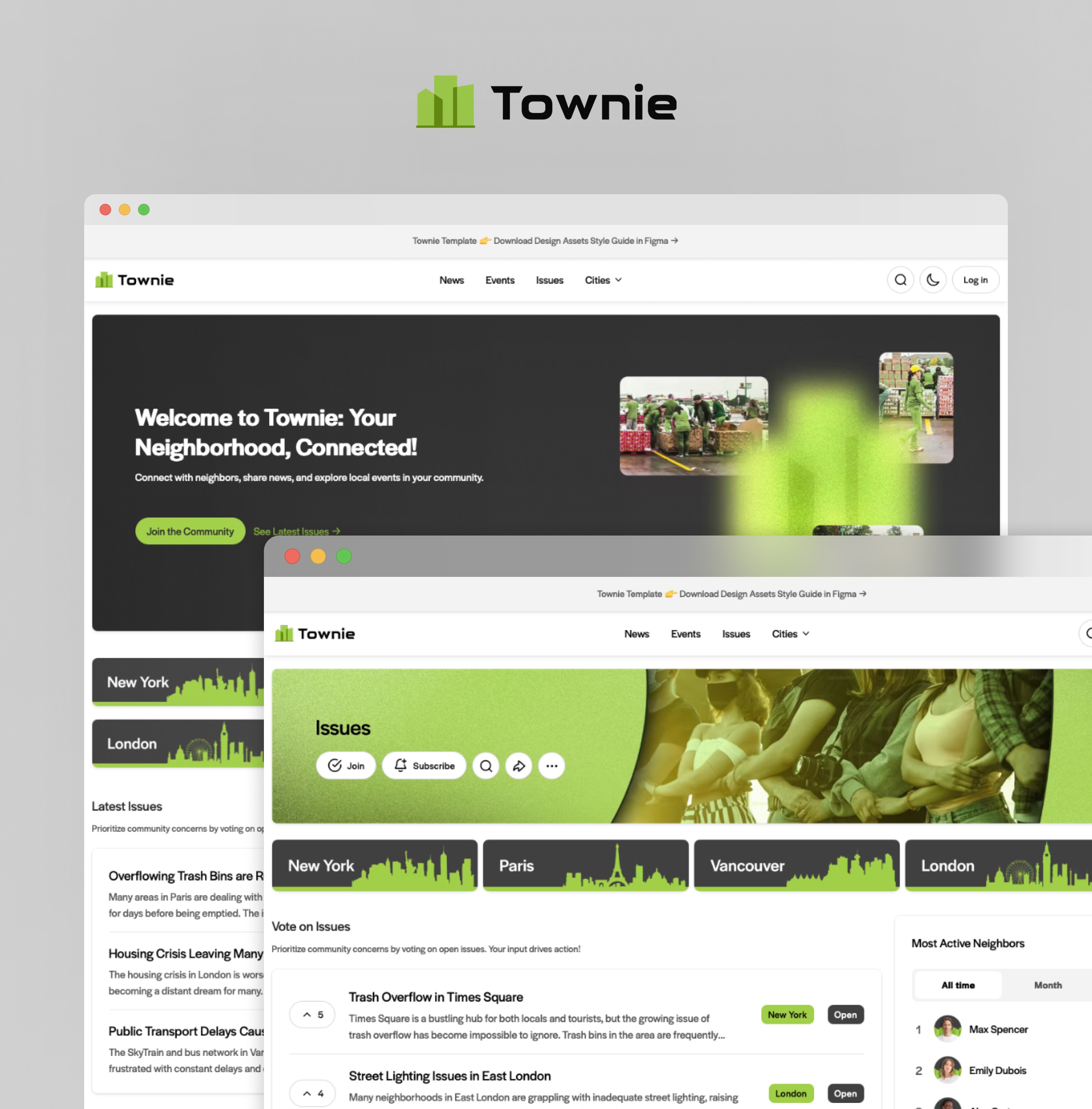
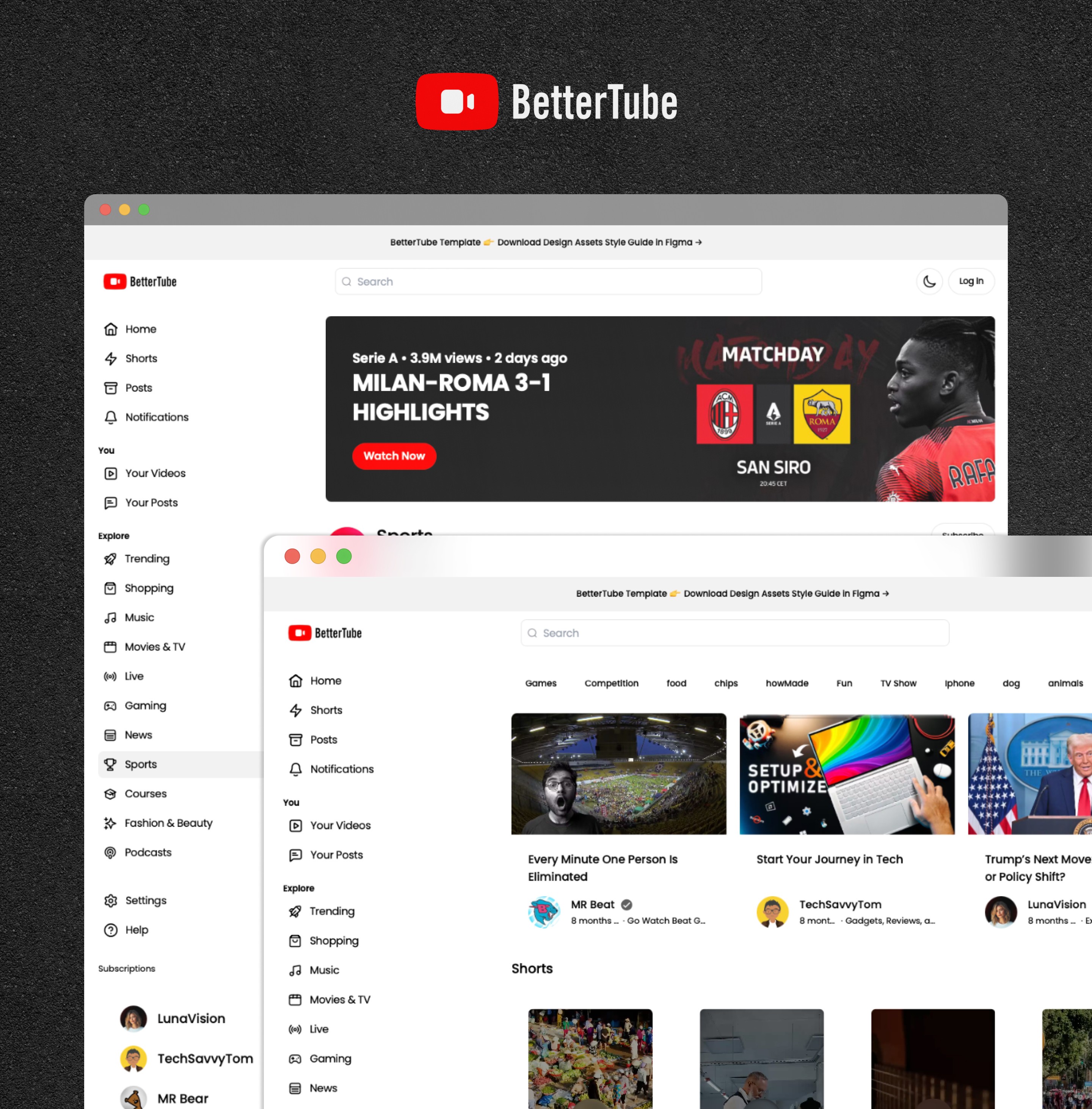
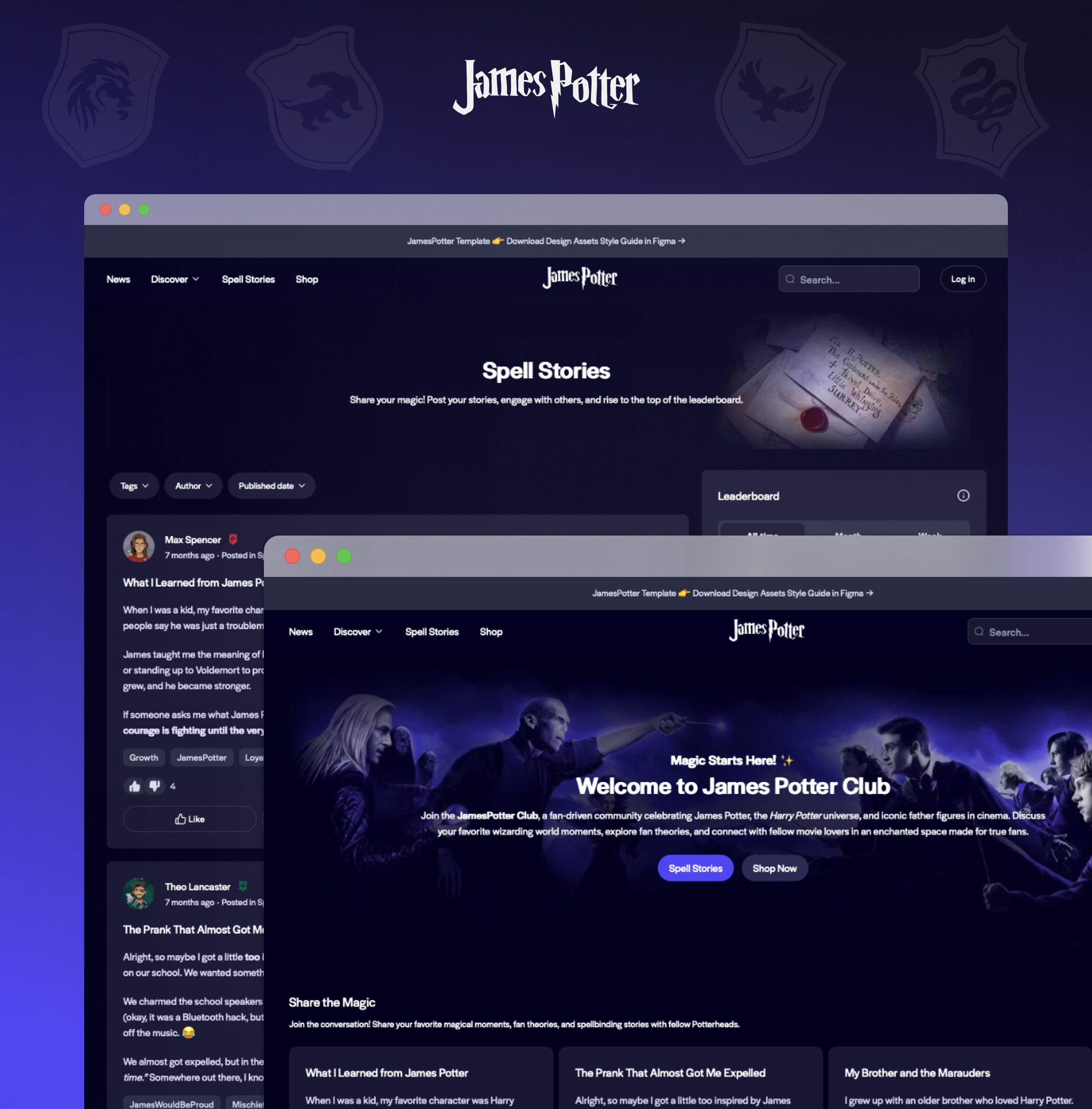
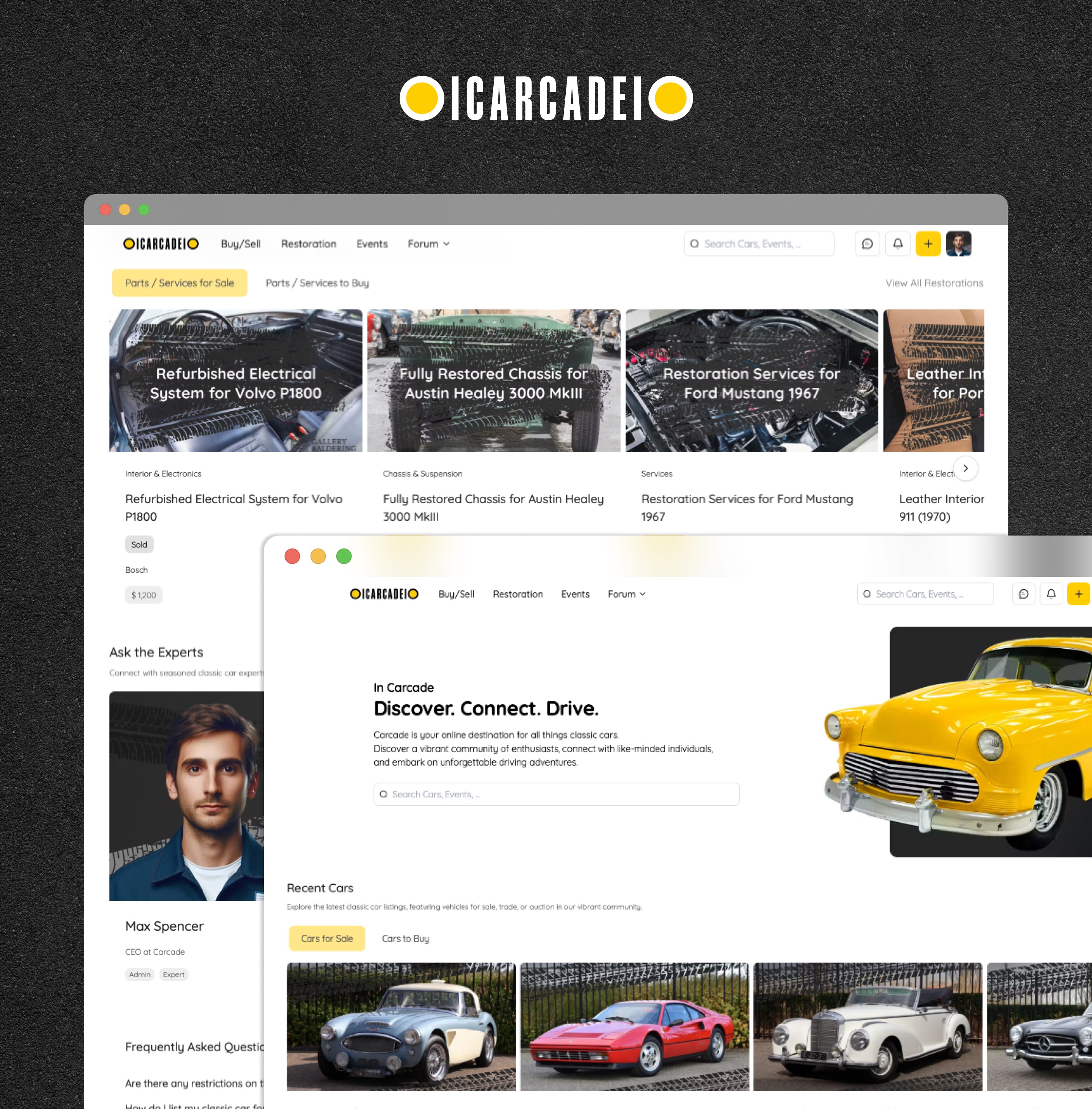
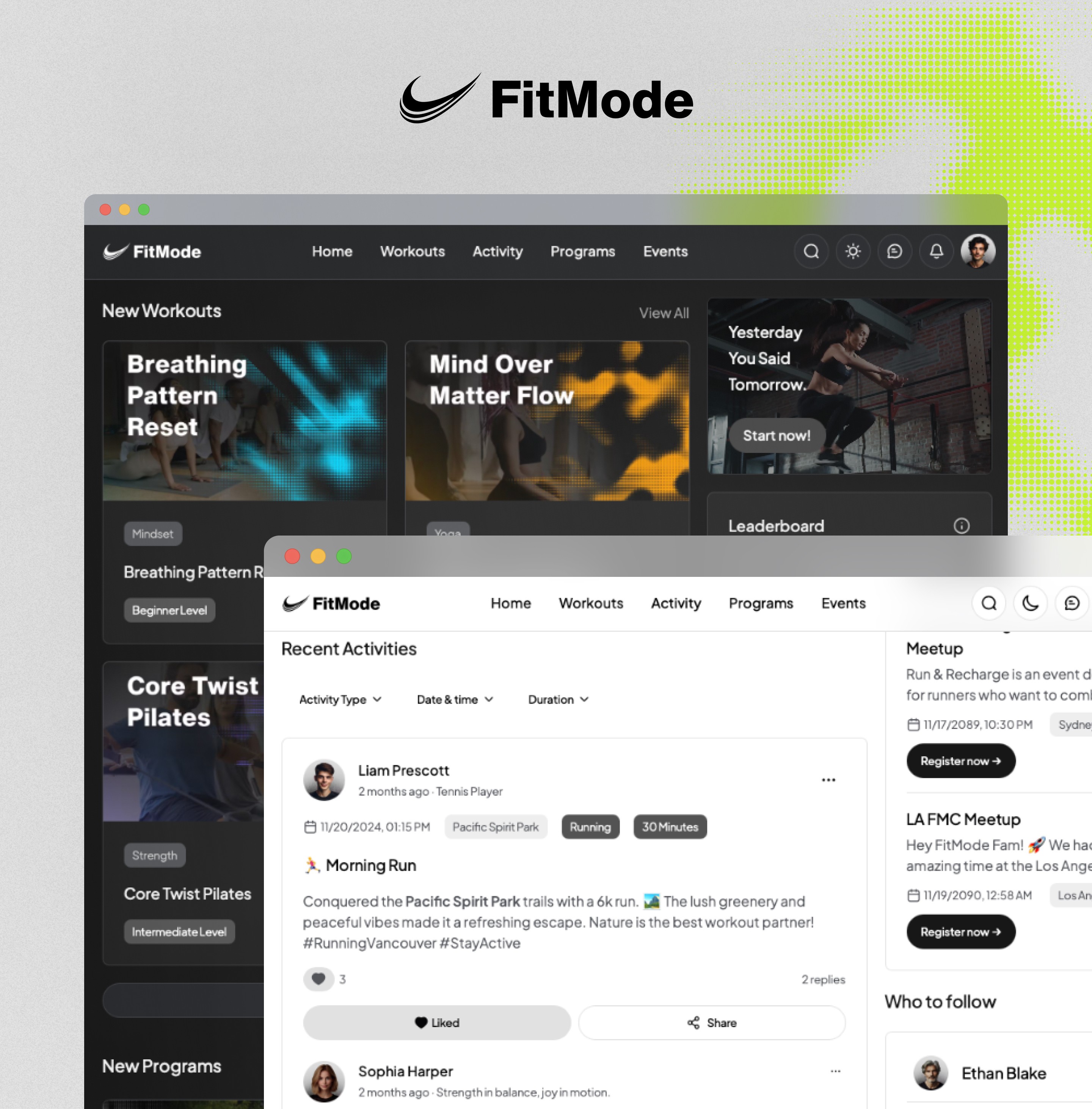
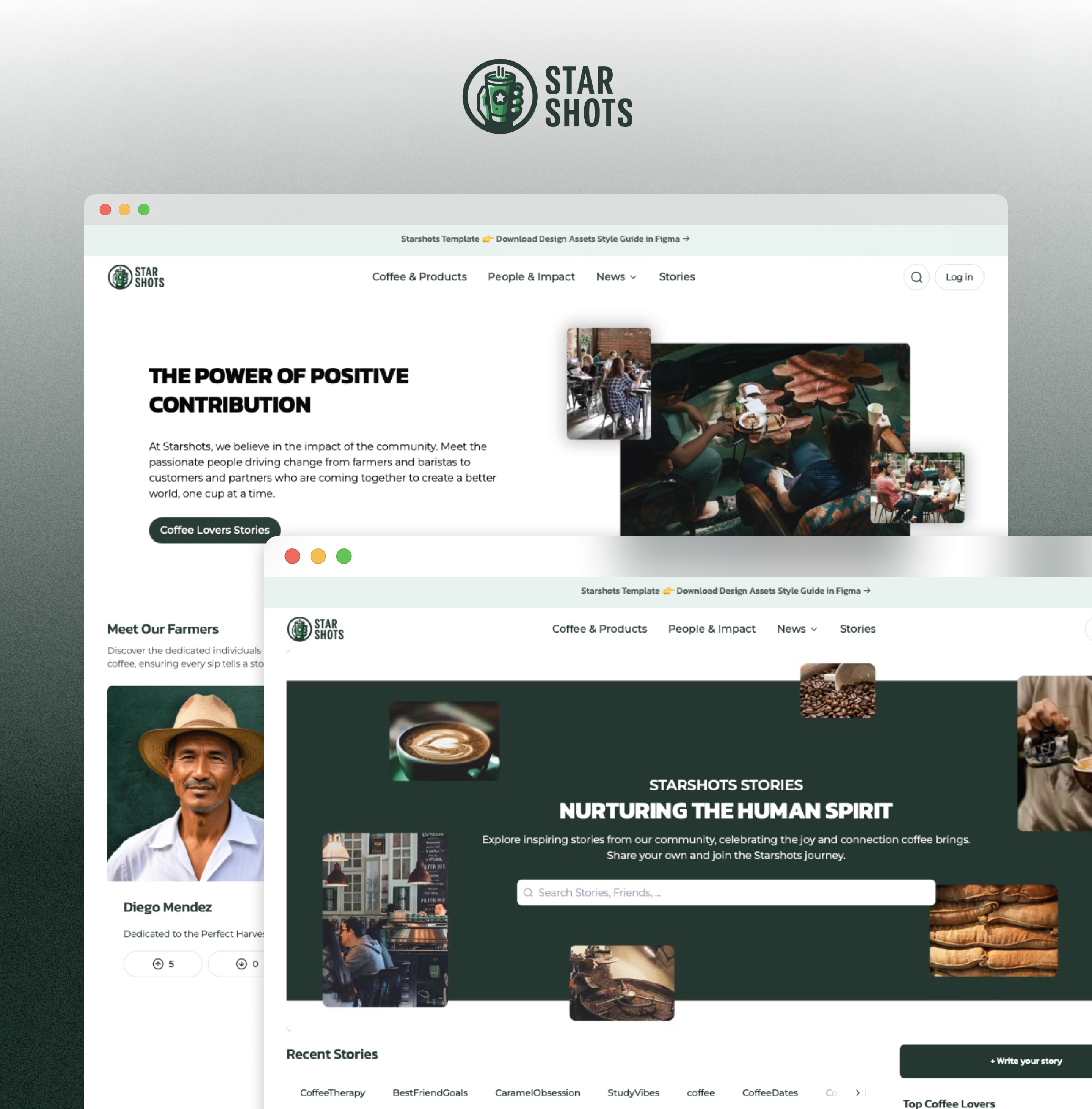
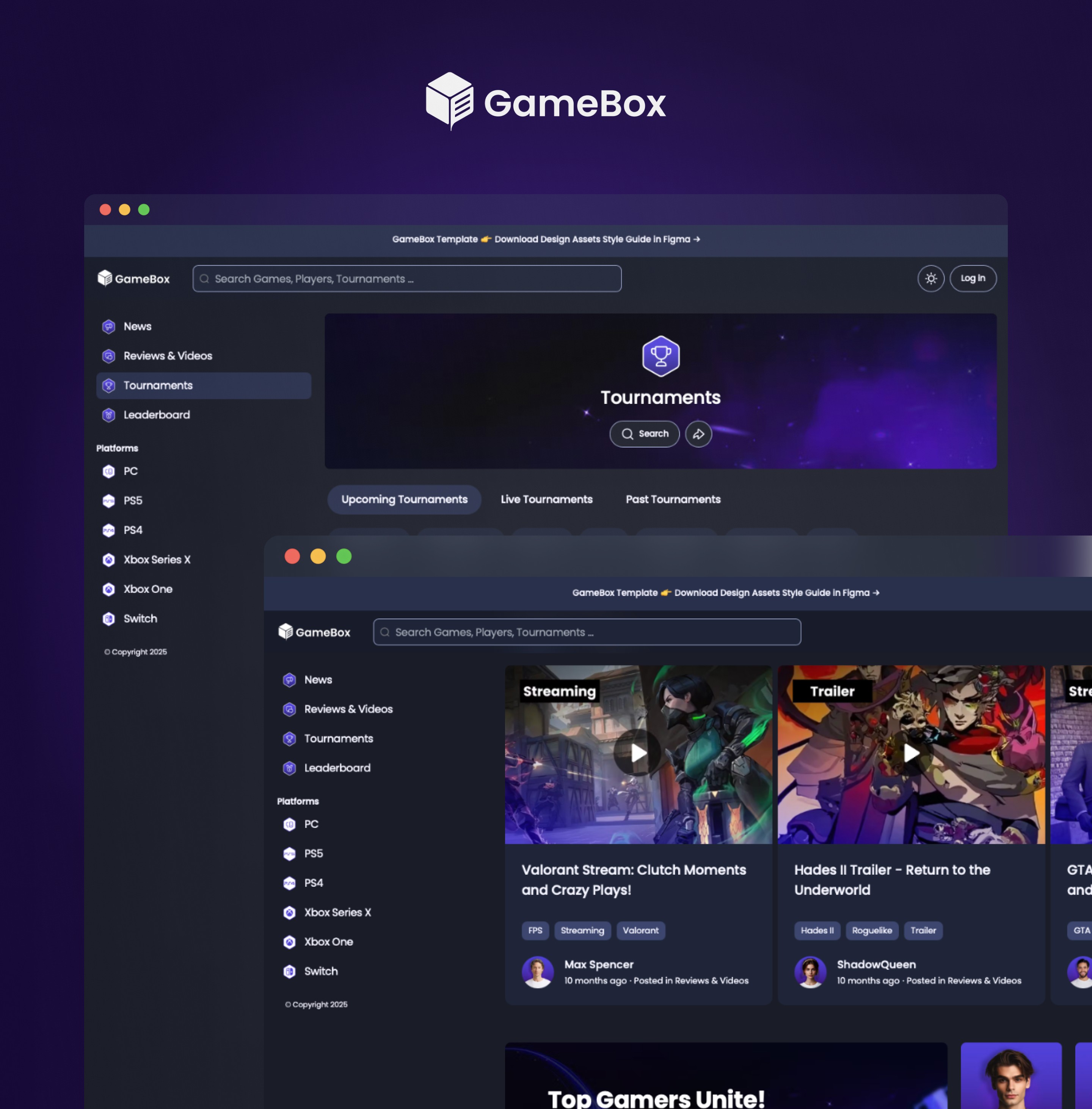
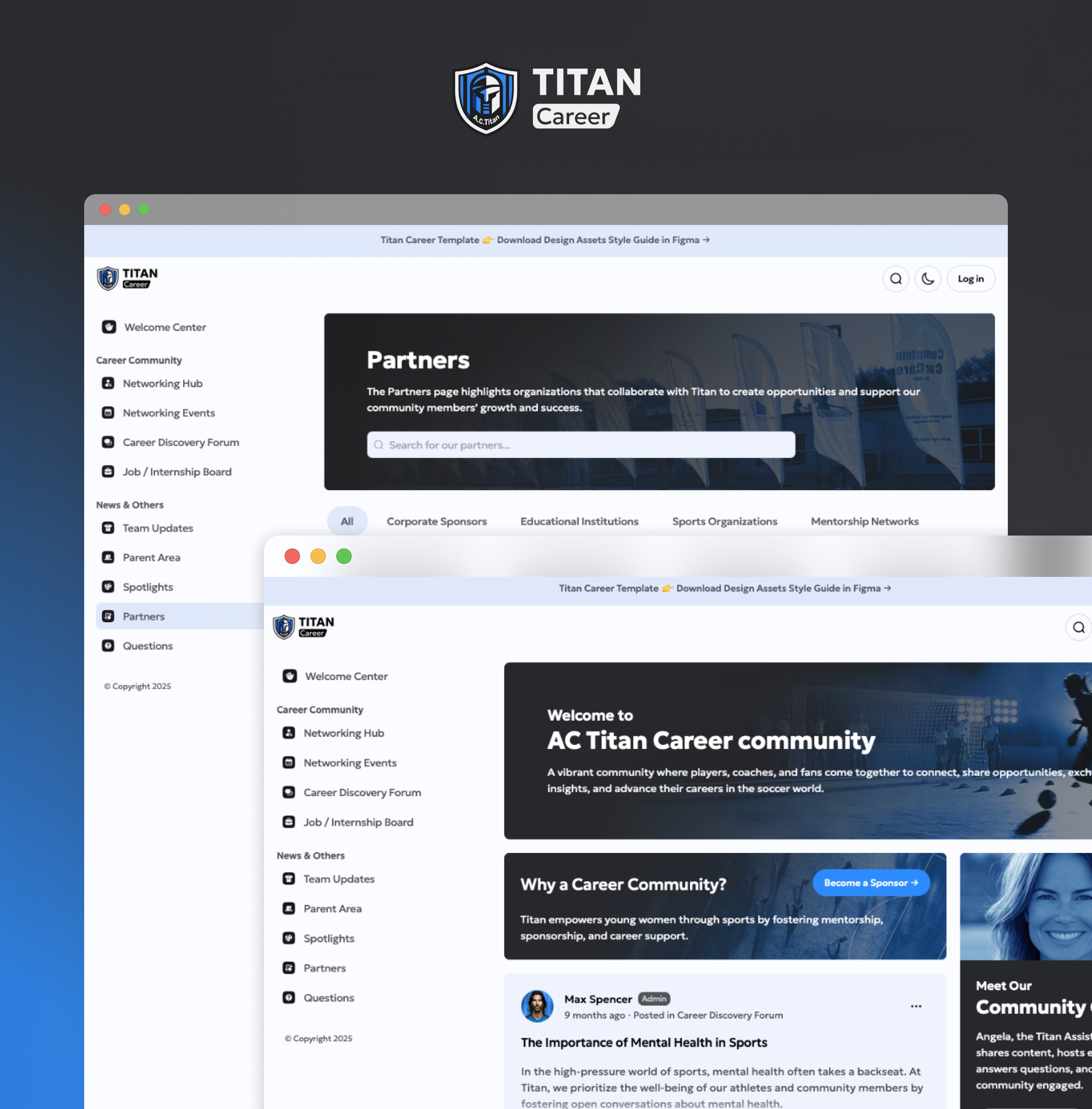
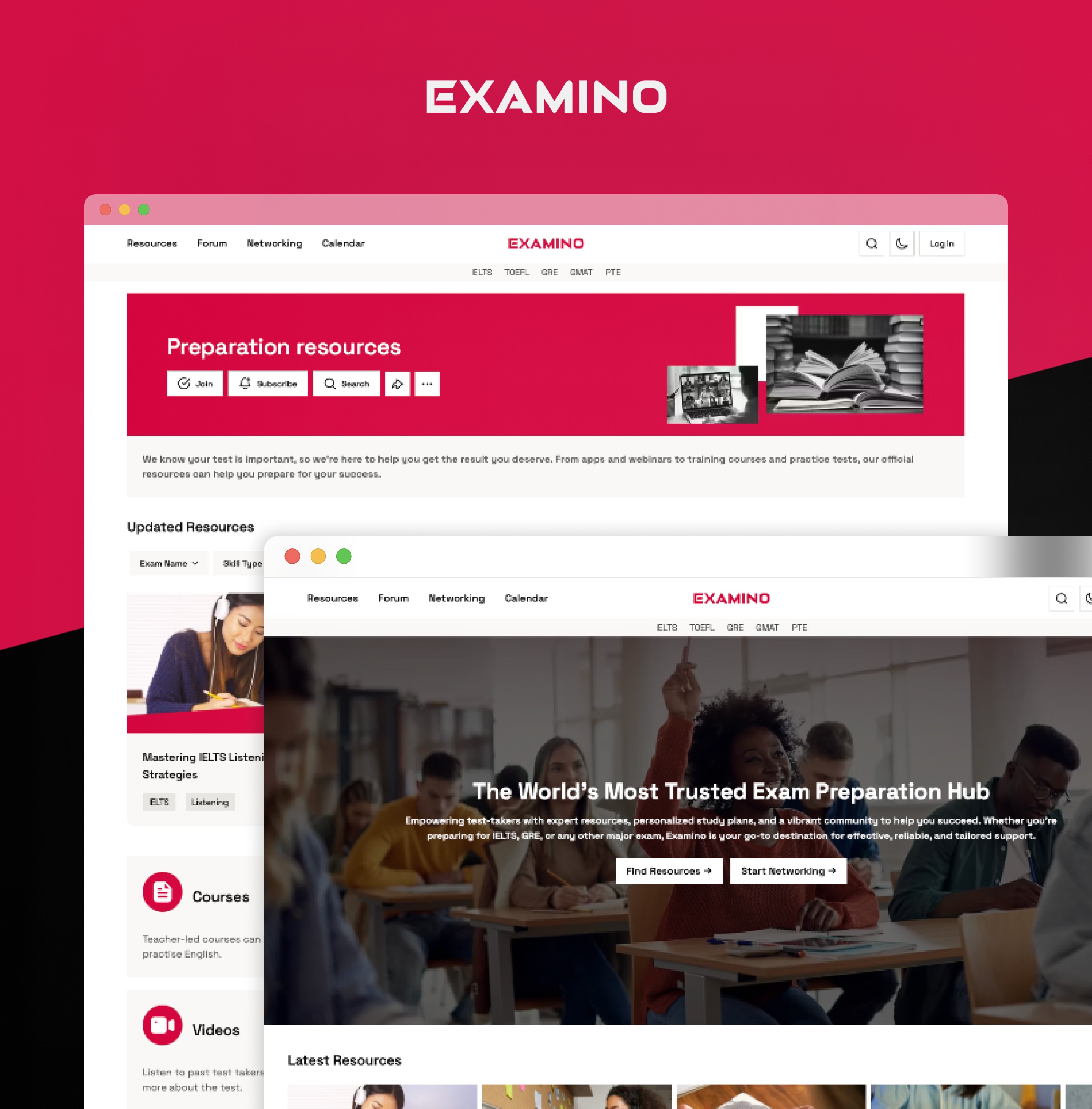
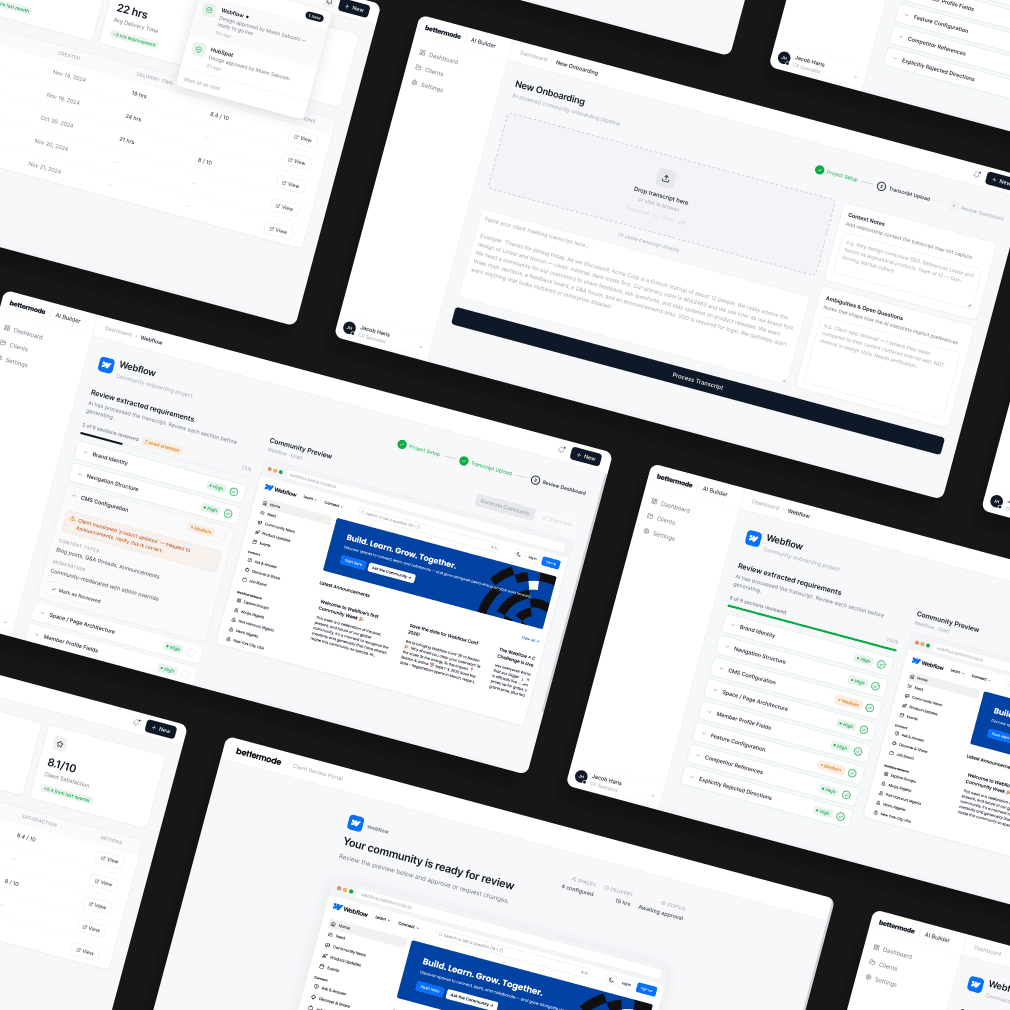
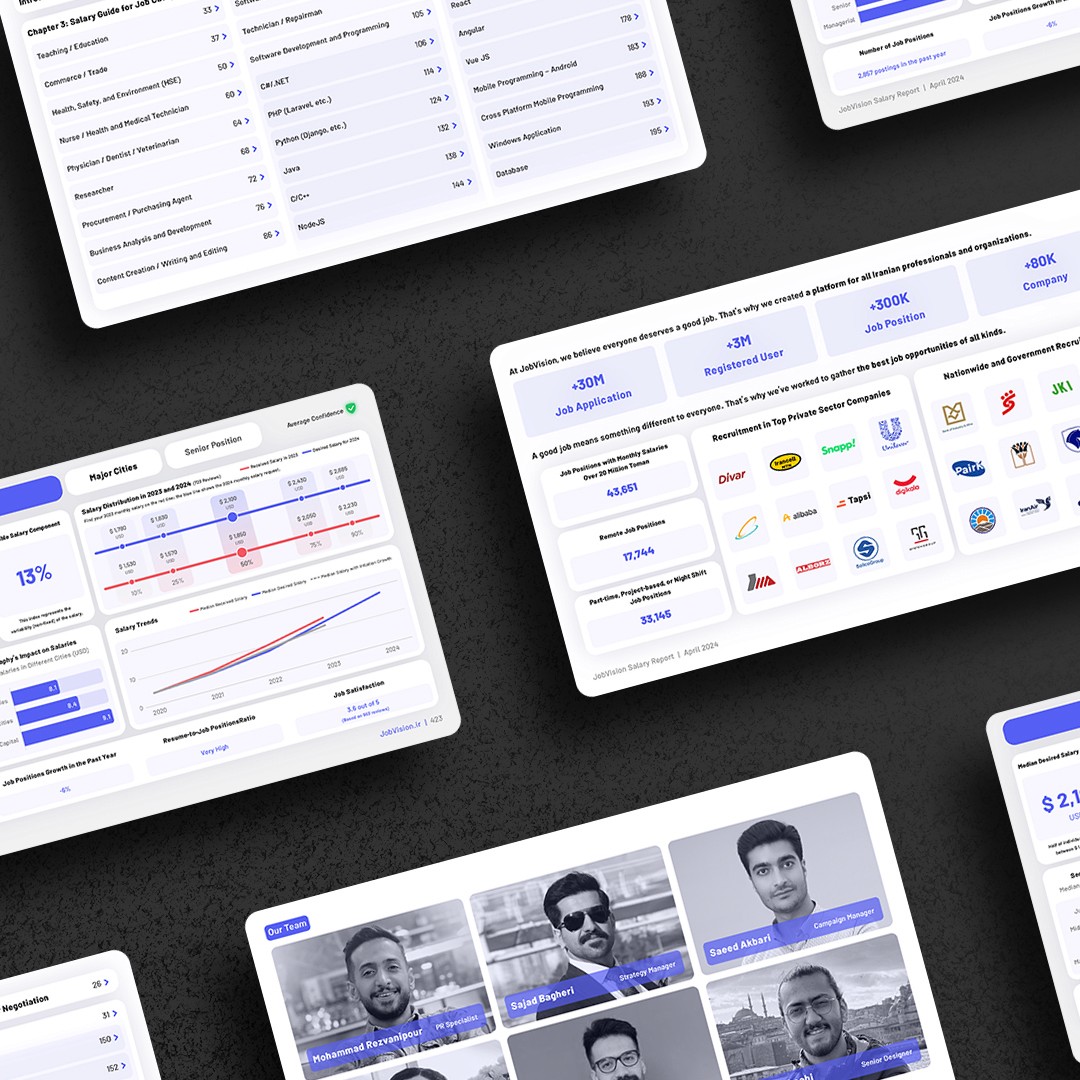
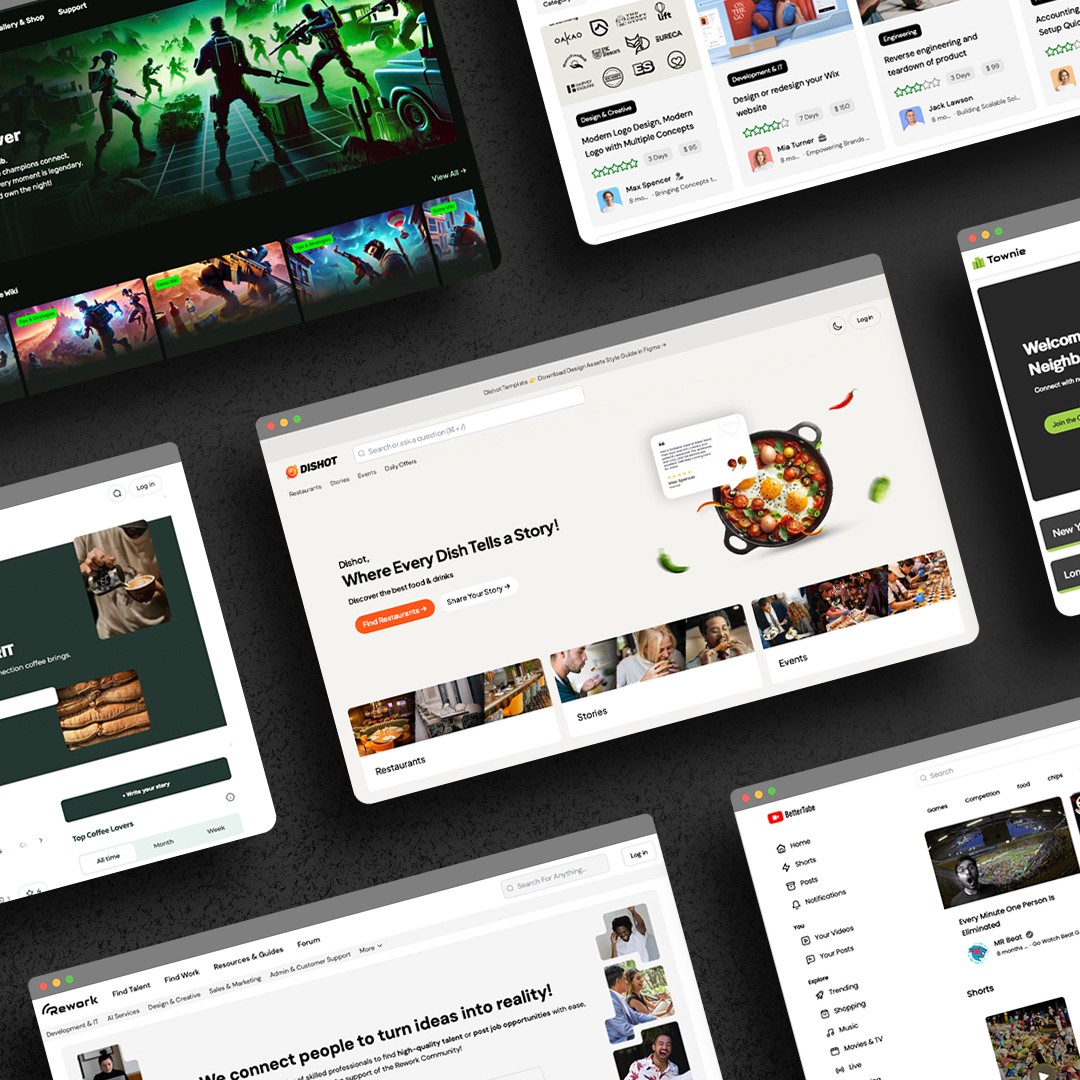
A selection of the community templates designed for Bettermode.
Finding the obstacle before the builder
I reviewed 14 CX support transcripts, spoke with three community owners who had taken longer than average to launch, and reviewed setup analytics. Over 60% of users who churned in their first week had not moved beyond initial site configuration. That observation did not explain every abandonment, but it shifted our attention to the starting experience.
The interviews pointed to two connected questions: what a community like theirs should look like, and what content belongs there. Two owners asked for fewer choices. With the PM and CX Director, I compared simplifying the builder with providing more concrete starting points. We chose templates to address the lack of structure and examples.
Choosing coverage without multiplying complexity
We explored SaaS, fitness, gaming and freelancer communities. Their content differed, but their underlying needs overlapped: updates, discussions, events, member information and navigation. I used these needs to shape the library rather than creating a different interaction model for every industry.
The brief began with five or six templates; discovery supported broader coverage. We settled on 12 focused options instead of extending the library to more than 20. This gave us room to develop distinct starting points while keeping the collection manageable.
Twelve focused starting points covered different community needs without creating a separate interaction model for each industry.

Industry examples used to define content needs and template directions.
Balancing a useful starting point with customization
The PM wanted the templates to surface premium features. Early feedback suggested that a feature-heavy first impression could make setup harder to judge. We kept the initial layouts focused and made advanced options available during customization.
I aligned visual guardrails with the Creative Director and used walkthroughs with the CX Director to collect reactions from owners in active setup. These reviews helped us discuss structure and content before debating visual preferences.
The intended path was to choose a relevant starting point, understand its structure, then adapt it. A template had to show enough detail to make that decision possible without looking like a finished site the owner could not change.

The selection and customization flow used to connect a template to a community owner’s setup.
Building a reusable layout system
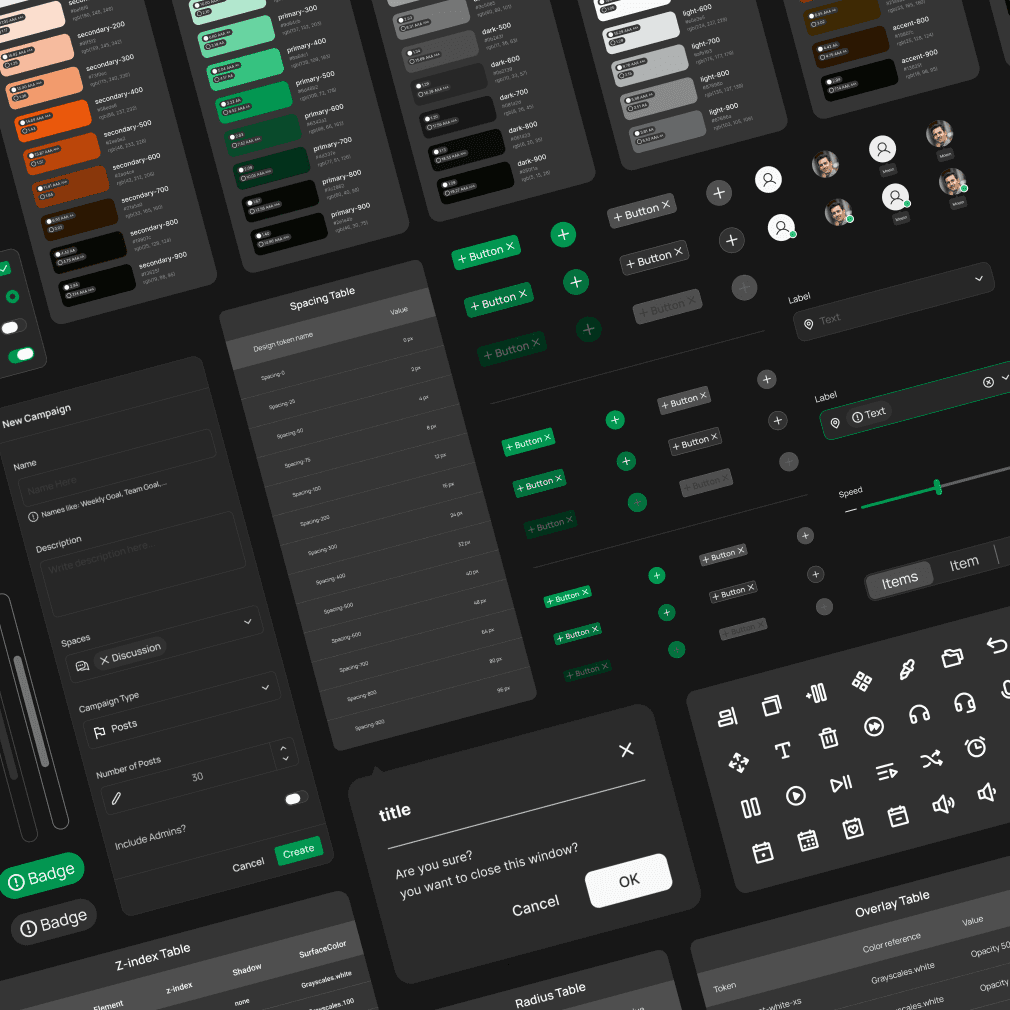
I explored page structures and content hierarchy in low-fidelity layouts, then developed the visual treatments in Figma using shared components and design tokens. Navigation, member interactions and content patterns stayed consistent across templates; typography, color and imagery gave each one a different character.
I designed the layouts to adapt across screen sizes while preserving content priorities. This was responsive community-web design; the templates were not separate native mobile applications.

Layout exploration and visual development using reusable components.
What testing changed
Five existing Bettermode users reviewed mid-fidelity versions of three concepts. They understood the layouts, but found it difficult to picture their own content in them. I replaced generic filler with example posts, member counts and event titles so that the templates explained their use through content.
Example posts, member counts, and event titles helped owners picture their own community in a template.
After launch, CX collected feedback from eight owners during their first two weeks of template use. Missing previews of CMS posts made it harder to judge the result during setup. We added that issue to the next iteration backlog.

Template examples with content that helps owners judge how a community could work.
Results and attribution
Over the first 90 days, internal analytics reported a median of about 16 days from account creation to first published site among template adopters, compared with roughly 28 days before the library—approximately 40% less time to first publication. This was an observational comparison, so it should not be read as proof that templates alone caused the change.
Setup-related CX tickets were approximately 23% lower in the 60-day comparison around launch. An onboarding tooltip update happened during the same period, which limits how much of that change we can attribute to this project.
About 30% of new users still started from scratch. Four interviews with users who bypassed templates suggested that the default appearance did not feel like their brand. That small sample gave us a direction to investigate: show how a template changes after customization, alongside its default state.
Template selection needed to show what owners could change, as well as what the default design looked like.
What remained open
The library shipped, but template selection and preview still needed work. My next priorities were a clearer view of customization possibilities, previews of real CMS content, and coverage for use cases outside the initial set. The key lesson was that a useful starting structure also needs to communicate what the owner can change.
The gallery below shows the final template collection.